

IR26-1
Interim Rule 26-1 Restricting the Transportation of Coconut Rhinoceros Beetle Host Materials on West Hawaiʻi Island
To prevent the human-assisted spread of CRB on Hawaiʻi Island, the Board of Agriculture and Biosecurity (Board) approved Interim Rule (IR) 26-1 on March 24, 2026.
IR 26-1 restricts the transportation of coconut rhinoceros beetle (CRB) host materials including: bare root CRB host palms, other live plants of any size if there is any organic material attached to the roots, such as potted plants or sod; and decomposing plant material, such as mulch, trimmings, wood or tree chips, stumps, compost, plant propagation media, including commercially bagged plant propagation media, and other items comprised of or containing decomposing plant material such as landscaping material or erosion control socks from and within the designated CRB infested area on Hawaiʻi Island to minimize the spread of the CRB, Oryctes rhinoceros.
The designated CRB infested area on west Hawaiʻi Island is the geographic area generally bound by the following: Waikōloa Road from Highway 190 to the coast, continuing south to Laʻaloa Avenue and from the coast to its intersection with Highway 11 to the east as shown below in Figure 1.
The added restrictions are not applicable to plant products intended for consumption, such as coconuts, fruits, nuts, edible leaves, leaves used for cooking, and spices; plant products preserved from decay by treatment or use, such as lumber, woven hats, dried and painted coconuts, wooden posts, wood carvings, and firewood; seeds for planting; cut flowers and foliage for decoration, such as lei, floral bouquets, or arrangements; rock, coral, and sand, not mixed with any CRB host material; live bare rooted plants that are not CRB host palms, including propagative cuttings; and tissue cultured or other micropropagated live plants in sterile media.
IR 26-1 authorized the Hawaiʻi Department of Agriculture and Biosecurity (DAB) Plant Quarantine Branch to restrict the transportation of CRB host materials from and within the designated CRB infested area on Hawaiʻi Island, effective March 25, 2025, subject to a permit or compliance agreement issued by the DAB.
All organizations, companies, or any other person who transports, generates, processes, collects, sells, or grows coconut rhinoceros beetle (CRB) host materials in the designated CRB infested area must conduct these activities under a valid compliance agreement issued by DAB. As a prerequisite to obtaining a compliance agreement, completing a training session provided by the Big Island Invasive Species Committee (BIISC) is required.
To sign up for compliance agreement training, go to the BIISC website at https://www.biisc.org/crb-compliance-trainings/, click the link for a training session, and fill out the required information. The training session should be approximately one hour and BIISC staff will coordinate directly with participants for scheduling. Upon completion of the training, BIISC staff will collect and submit to DAB a copy of the compliance agreement application verifying training completion.
For a copy of Interim Rule 26-1, please click here.
For a form-fillable copy of the Compliance Agreement that can be brought with you to a training session, please click here.
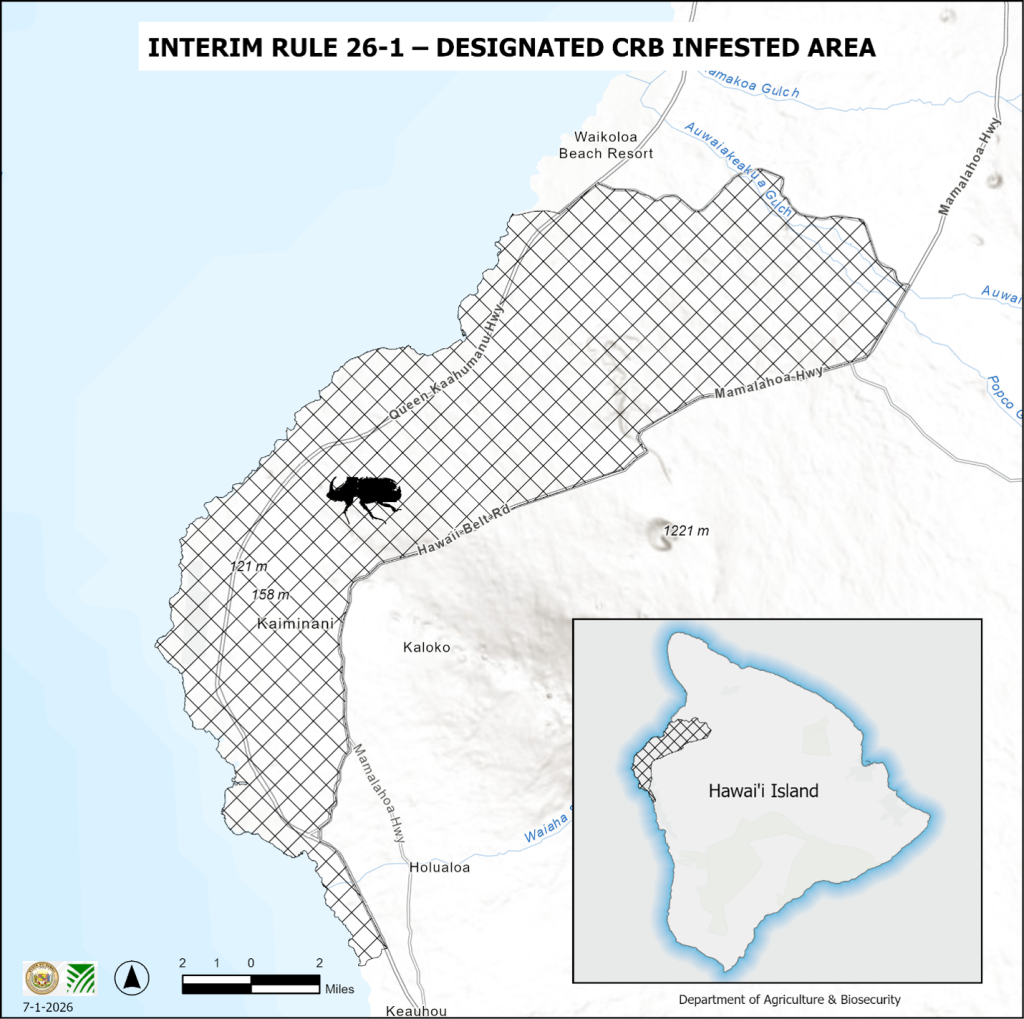
Figure 1. Map of designated CRB infested area.
List of Compliance Agreement Holders (Last Updated 7/2/2026)
| Agreement # | Participant Name |
| CA-26-5-H-001 | Green Agricultural, Inc. |
| CA-26-5-H-002 | Hawaiian Earth Recycling |
| CA-26-5-H-003 | Hui Aloha Kīholo |
| CA-26-5-H-004 | Kona Disposal Service |
| CA-26-5-H-005 | Micah Kimura |
| CA-26-5-H-006 | Kohanaiki Community Association |
| CA-26-5-H-007 | Tree Works, Inc. |
| CA-26-5-H-008 | Tanner Whitman Services |